Photo Mode: A Snapshot Of Our Gaming Landscape
Children of the ’90s may remember the surge of enthusiasm surrounding Pokémon Snap’s N64 release. Unlike other popular Pokémon titles up to that point, it offered the chance to catch creatures not with a Poké Ball but with a camera. There were rushing rivers and sunny beaches. The dark caves contained familiar creatures. The most skilled players snapped – to our young minds – unbelievably realistic shots of these roving Pokémon in their natural habitats while the ever-moving vehicle pushed onward. But it wasn’t enough to capture wild pictures of our favorite creatures. These works of art had to be shared with the rest of the world.
Short of parading friends past the home console to admire our digital albums, there didn’t seem to be a good way to do so. Enter the Pokémon Snap Station. It tells you something about the game’s popularity that its developer went to the trouble of getting these bulky printing machines set up across North America. Fans of the game could now find the nearest Pokémon Snap Station and print out physical copies of their photos to show off in real life. Though those magnificent machines – and most of the rental stores housing them – are long gone, the impulse to share awesome in-game photos is not. Gran Turismo 4 introduced its limited photo mode in 2005 and, though it didn’t have all the bells and whistles we’re used to today, it helped pave the path for other games to follow. When New Pokémon Snap launched over 20 years later, video game photography was everywhere.

That transformation had a major impact on technology. Because of the popularity and ease with which developers can access the internet via social media, it is no longer necessary to develop a method to print physical copies for gamers. Since the N64-era graphics have advanced a lot. More pictures are possible with better-looking games. Mix all this in with the already-present urge to share epic moments with fellow gamers, and you’ve got a recipe for today’s photo mode-filled landscape.
Now, it’s almost more surprising when a game doesn’t include a picture-taking feature. For some games, developers insert this mode directly into the game’s world. Red Dead Redemption 2 gives you a camera straight out of 1899. This object is added to your arsenal, but you can use it to shoot scenery and not interfere with law enforcement. There’s no shortage of breathtaking vistas to commit to film either. One of the most praised aspects of Red Dead Redemption 2 is its expansive and detailed environment which contains hazardous mountain passes, alligator-infested swamps, and windswept plains. If you wish, you can turn your camera to Arthur Morgan.
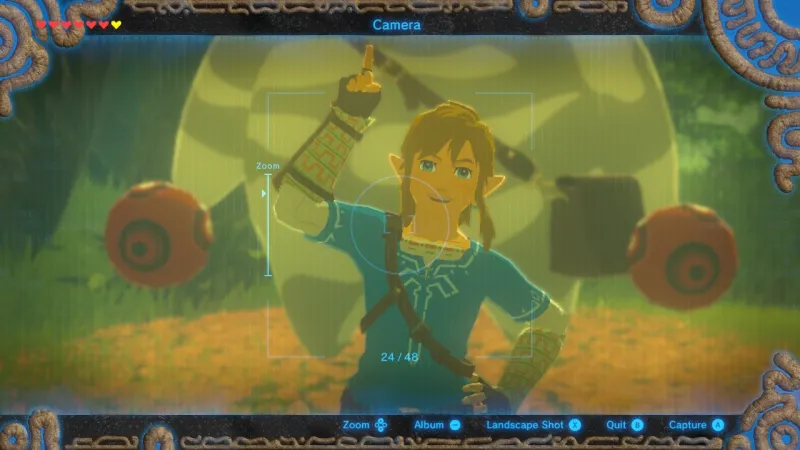
The Legend of Zelda: Breath of the Wild also leaned towards diegetic photography in its 2018 release. Link can use his phone to take a selfie and record his adventures as he explores the open-world. There’s even an optional series of side quests challenging players to capture and relive special moments in the hopes of jogging Link’s lost memory.
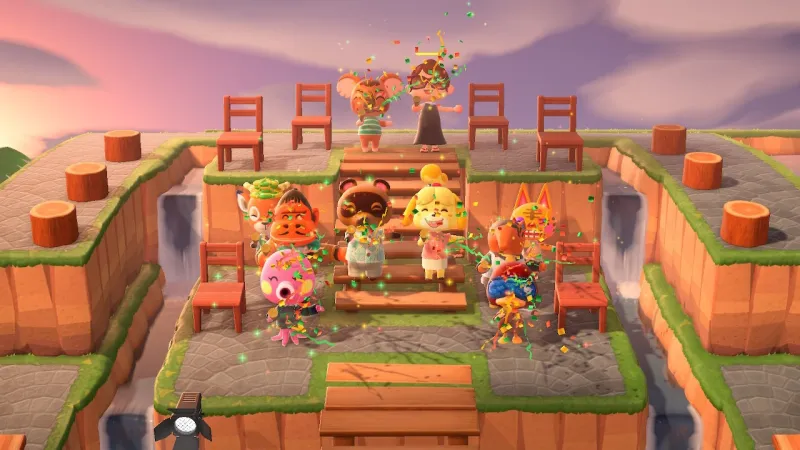
Animal Crossing New Horizons gave the player a Nook Phone as an in-game phone. Happily, it comes bundled with the island getaway package and doesn’t put you in any more debt to local money-bags Tom Nook. Nintendo’s 2020 hit slightly blends the in-game and non-diegetic picture modes. While players can – and did, judging from the copious amounts of pictures invading social media feeds during the pandemic – take fun selfies with the Nook device, the game also prompts players to take photos with the Switch’s capture button during more significant celebratory moments.
Besides giving fans a way to share their in-game adventures – or misadventures in some cases – photo modes also allow them to experience their virtual sandboxes in slightly different ways than other players. One virtual photographer might set up shots that establish different relationships between characters or highlight their hero’s unique view of the world. Occasionally, these pictures spark internet-wide fan theories or launch viral memes that, in turn, influence the game’s legacy.
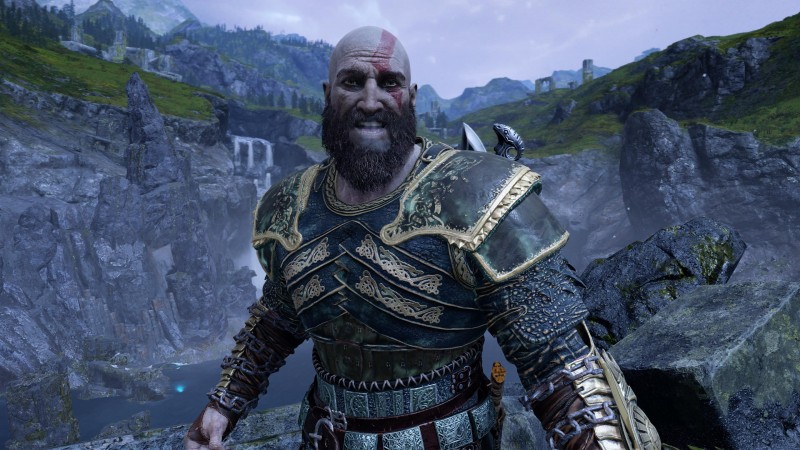
Many recent games packing a photo mode take the non-diegetic approach, perhaps finding gamers don’t necessarily need the snapshots to have an in-game explanation. Ghost of Tsushima and God of War are two great examples. After God of War launched, Santa Monic Studio’s reboot of the well-known series introduced a photo mode feature. For the more technical artist it offered many options including borders, filters and a range of technical adjustments. While some used these tools to enhance the dramatic tone of Kratos’ journey with his son, others delighted in slapping a smile on the Greek hero’s usually stoic face. With perhaps one of the most lauded photo modes ever, Ghost of Tsushima invited players to craft the perfect shot with a dizzying amount of tools and the benefit of the game’s cinematic style and particle effects.
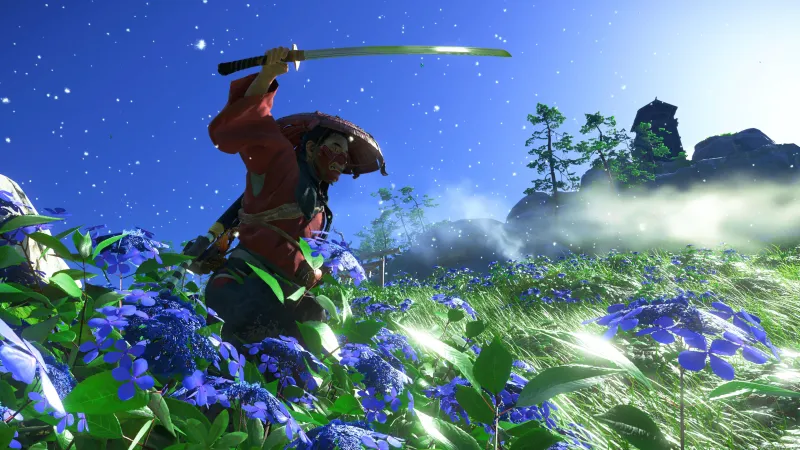
Anyone with an internet presence would find it difficult to hide images from these games. This is another reason for the photo mode. These tools allow players to simultaneously show off their game photos and share them with their friends on social media. That’s a big win for game makers wanting to get their creations in front of as many potential players as possible. This isn’t the intention of most virtual photographers. Like the kids huddled around Pokémon Snap Stations in the late ’90s, most gamers today just want to share cool pictures of their games with their friends.
#Photo #Mode #Snapshot #Gaming #Landscape