One of anime’s best high school movie dramas is leaving Netflix soon
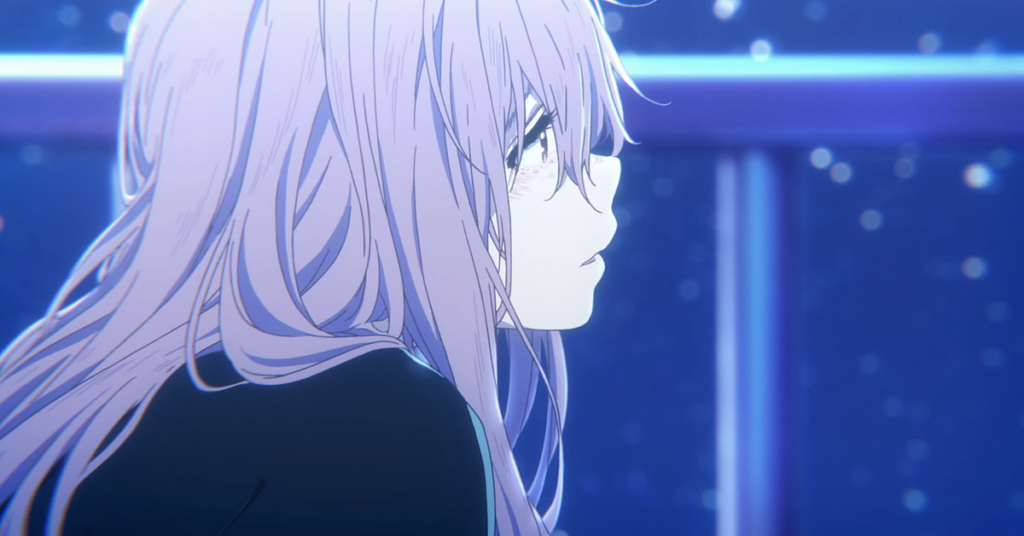
It’s no particular wonder why so much anime across so many genres and eras focuses on high school settings: It’s a intense period full of radical new experiences. And while young people often don’t recognize this until much later in life, it’s often a period where they’re learning how to be human and how to understand other humans, without guidelines or a basic toolkit. American high-school media often emphasizes this dynamic differently than Japanese media. Students are often described as being precocious or self-defined and over-eager to speak, making them seem like petty, naive adults. Just look at The Mean Girls — Rachel McAdams was 26 when she played Regina George in that movie.)
But anime high school series are more likely to tap into the uncertain aspects of being a teenager — especially the awkwardness around managing emotions, and deciding what’s safe or smart to reveal to other people. Naoko Yamada’s emotionally intense 2016 movie A Silent Voice, leaving Netflix on June 4, focuses on specific areas that most high school stories won’t touch. It’s a particularly raw look at the damage young people can do to each other without intending to, and without any way of predicting the scope of their actions. Plenty of high school media addresses bullying, but Yamada’s adaptation of Yoshitoki Oima’s manga veers away from the pat and familiar narratives, and dives so deep into teenage emotions that the weight is almost staggering.
Shoya, an elementary-school student, hangs with his classmates in a casual and envious way. He runs from one childhood experience to another, jubilantly. Shoko Nishiimiya joins the class. Fascinated and repelled by her for reasons he doesn’t understand, Ishida relentlessly bullies her, as the rest of the class laughs or watches passively, refusing to intervene. Nishimiya a quiet and friendly girl, who only wants to make friends, apologizes to Ishida. He becomes even more angry.
Ishida gets the blame for her torment. He is shunned by his friends and withdraws in guilt and confusion. Ishida has become a self loathing, solitary pariah. In his present, he refuses even to look people in the eyes and sees all of the students in school with giant Xs on their faces. He’s so deeply lost in his feelings of worthlessness that he doesn’t even try to communicate.
When Ishida encounters Nishimiya again, it’s a chance for him to learn how to reconnect. He sincerely regrets how he treated her, but that doesn’t mean he’s come to understand why he did it, or that he knows how to communicate with her after his years of social isolation. Then, A Silent Voice spirals outward in a number of surprising ways, as many of the two teenagers’ former schoolmates resurface with their own interpretations of what happened back in grade school, and their own emotional conflicts to navigate.
:format(webp):no_upscale()/cdn.vox-cdn.com/uploads/chorus_asset/file/24685911/Yell.png)
Image: Kyoto Animation
What Makes A Silent Voice so remarkable is the thoughtful ways it takes all those different characters’ perspectives and needs into account. It’s unquestionably a melodrama, to the point where the characters sometimes feel exaggerated past the point of belief: Ishida’s obliviousness and Nishimiya’s kindness both get frustrating after a while, until the story reveals what’s really going on under both of them. But the story isn’t about just the two of them. It’s about how people have a lot of different reasons to be kind or cruel to each other, and about how high school struggles are usually a lot more complicated and nuanced than the versions of them in TV and movies.
A Silent Voice can be emotionally racking: The movie doesn’t steer clear of suicidal behavior and even suicide attempts, and several different characters break down weeping under the tension of the things they’re going through. Yamada juxtaposes the dark and depressing moments of the film with bright and sunny images. She often returns to bright water and the glistening light. All the images on screen are in A Silent Voice is glowing with sunlit energy — even the moments of despair and anguish. It’s almost perversely beautiful as it explores human ugliness. Even tiny details, like the way Ishida’s T-shirt tag is perpetually curling upward from under his collar, are used to tell the story.
The story refuses to rely on a simplistic black-and white view of young adults and children’s misbehavior. Ishida, Nishimiya could easily find balance in their future if they were left alone together. But their choices — and the places where they weren’t given choices — affected everyone around them, and those traumas have to be navigated too in order for anyone to move on.
A Silent Voice is a strange movie to watch for people who’ve been bullied, given how sympathetically it views its central bully, and how empathetically it explores the ways that being called to account for his behavior made him suffer. But it also openly suggests that everyone is capable of redemption if they do the work, and that the causes of bullying are much more complicated than “some kids are just bad and need to be defeated.” The filmmakers here understand that the path to being an emotionally complete adult is rocky for everyone, and it celebrates the young people making an authentic effort to navigate that path. It’s a singular and striking movie, and well worth catching while it’s still easily available.
#animes #high #school #movie #dramas #leaving #Netflix