How to Plan and Build an Engaging Campus Gaming Lounge
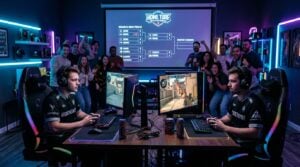
Collegiate recreational spaces have expanded far beyond traditional student union billiard tables and study lounges. Video games, competitive esports, and social entertainment now play a central role in how students connect, decompress after intense study sessions, and build lasting friendships. Establishing a dedicated campus gaming space gives students a safe, welcoming hub to gather around shared interests, whether they prefer casual party games or structured team tournaments.
Creating an effective lounge requires more than setting up a couple of desks and plugging in consoles. Campus organizers, student leaders, and faculty advisors must consider layout flow, acoustic management, reliable power delivery, and social atmosphere. When thoughtful planning guides every phase of development, the resulting space becomes a vibrant center of campus activity that bridges diverse student groups through interactive play.
Defining the Purpose and Scope of the Space
Before purchasing equipment or requesting physical space from a student government board, defining the room’s core purpose is essential. A common misstep is designing exclusively for hardcore tournament competition while ignoring the large audience of students who want a relaxing spot to play cooperative adventure titles or casual rhythm games between classes. Balancing casual comfort with competitive readiness ensures that the room appeals to the entire student body rather than a single niche circle.
Student life thrives when campus spaces offer a supportive atmosphere for both social recreation and structured extracurricular activities. As you explore student-centered campus life resources on canisiuscampus.net, it becomes clear that modern collegiate spaces must adapt to the diverse interests of the community, offering places where students can unwind, collaborate, and connect over shared hobbies. Clarifying whether your room will serve as a casual drop-in lounge, an official club meeting room, or a dedicated tournament arena will determine everything from furniture choices to open operating hours.
Engaging the student body during the initial planning phase builds immediate community investment. Distributing interest surveys and holding open forums allow prospective users to share which platforms they prefer, what genres excite them, and when they are most likely to visit. This input shapes a clear vision that administrative decision-makers can easily understand and support.
Planning Layout, Acoustic Treatment, and Construction
Physical layout directly influences how welcoming and functional a gaming space feels. An open floor plan divided into distinct activity zones prevents congestion and reduces noise bleed between different groups. For example, grouping high-energy console stations with comfortable couches in one area allows casual party players to chat freely without distracting players engaged in focused strategy or tactical team matches at computer desk banks.
Sound control is another vital consideration that organizers frequently overlook until complaints arise from adjacent classrooms or study halls. Gaming audio, mechanical keyboards, and excited team communication generate significant ambient volume. Installing wall-mounted sound baffles, dense area rugs over hard flooring, and heavy perimeter drapery absorbs excess sound waves, keeping the room comfortable inside while containing audio leakage.
Transforming an empty campus room or student center basement into an active multiplayer lounge demands careful structural preparation, from acoustic dampening to durable flooring. Consulting renovation and commercial contractor specialists such as contconcord.com can give organizers valuable insight into wall reinforcements, noise reduction, and workspace safety before heavy electrical and furniture installations begin. Professional guidance helps ensure that ventilation ducting, fire safety clearances, and accessibility pathways meet institutional standards.
Establishing Reliable Power and Hardware Infrastructure
Gaming hardware places unique demands on building infrastructure. Multiple high-performance desktop computers, monitors, sound systems, and charging stations operating simultaneously can easily overload standard wall circuits if power distribution is poorly planned. Working with facility maintenance staff to map dedicated circuit breakers and install commercial-grade surge protection safeguards expensive equipment against sudden electrical fluctuations.
Cable management is equally crucial for both safety and aesthetics. Tangled cords running across walkways create severe tripping hazards and leave fragile cables vulnerable to accidental disconnects. Using under-desk cable trays, weighted floor cord covers, and labeled wiring bundles keeps the space clean, accessible, and straightforward to troubleshoot when equipment needs maintenance.
When selecting physical fixtures and basic equipment, prioritizing long-term durability over flashy aesthetics yields better value for student organizations. Essential physical elements to prioritize include:
- Heavy-duty commercial computer desks with integrated cord channels and rounded edges
- Adjustable ergonomic chairs built to withstand frequent daily use by different body types
- Lockable equipment cabinets to secure controllers, handheld systems, and physical media
- Overhead indirect lighting with dimming capabilities to reduce glare on computer displays
Building Community Across Casual and Competitive Play
A well-designed room remains underutilized without an active social ecosystem to bring people through the door. Organizing a balanced weekly event schedule encourages steady attendance across different gaming interests. Rotating between casual party game nights, retro arcade challenges, and structured seasonal leagues invites a diverse crowd of players who might otherwise never cross paths on a large campus.
Community moderation plays a fundamental role in maintaining an inclusive environment. Establishing clear community guidelines regarding respectful communication, shared equipment usage, and turn-taking prevents friction from taking root. When student leaders actively model good sportsmanship and welcome beginners, newcomer anxiety fades and the room quickly gains a reputation as a warm, safe sanctuary for all gaming enthusiasts.
Beyond in-person split-screen sessions and local area tournaments, successful clubs maintain active engagement by setting up private game worlds where members can practice together remotely during weekends and study breaks. Following our guide to launch your own modded gaming server provides an excellent blueprint for managing multiplayer sandboxes, setting community rules, and keeping players united outside room hours. Pairing physical meetups with digital community spaces ensures continuous interaction throughout the academic term.
Maintaining Hygiene, Equipment Care, and Daily Operations
Shared gaming gear experiences constant contact throughout the day, making routine sanitation essential for community health and hardware longevity. High-touch surfaces like controllers, keyboards, mice, and headsets accumulate sweat, skin oils, and dust rapidly. Placing non-abrasive disinfectant wipes, microfiber cloths, and hand sanitizer dispensers prominently near every station encourages visitors to clean equipment before and after each session.
Establishing a reliable student volunteer or staff check-in system keeps gear accounted for and operational. Implementing a simple digital sign-in desk allows monitors to track hardware conditions, report technical glitches promptly, and ensure that loaner peripherals return to their designated charging docks at the end of each evening.
Building and operating a campus gaming lounge is an ongoing collaborative journey that unites campus leadership, student organizations, and gaming fans. By investing time into structured space planning, durable physical setups, and an inclusive culture, student organizers can create a vibrant sanctuary where entertainment and community thrive side by side for years to come.