How Online Gaming Has Changed the Entertainment Industry
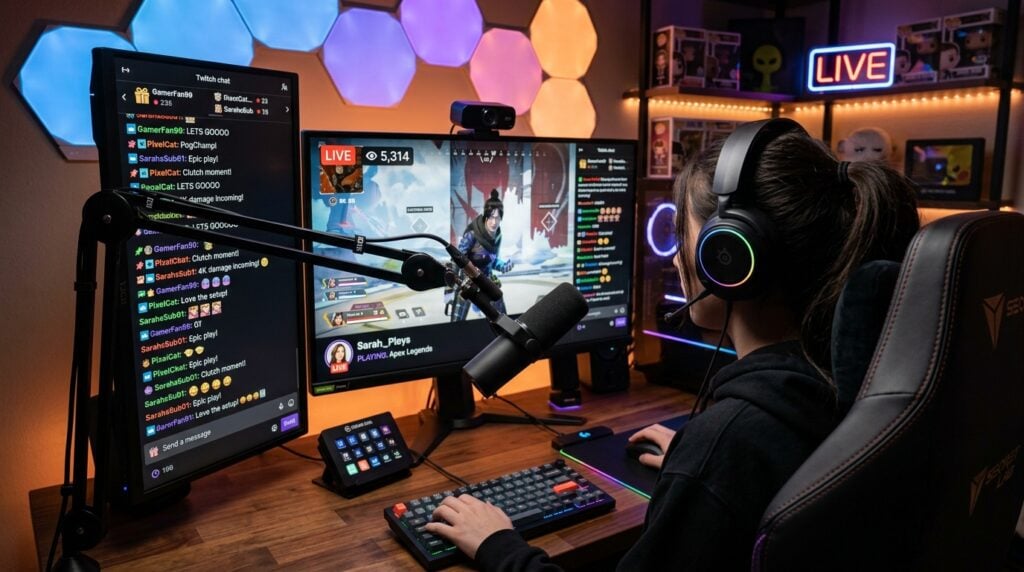
Online gaming has transformed from a niche hobby into one of the world’s largest forms of entertainment. Millions of people now play games across consoles, computers, and mobile devices, connecting with friends and competitors from different countries in real time. Advances in internet technology, cloud computing, and mobile devices have made gaming more accessible than ever before, turning it into a global industry that influences media, technology, and popular culture.
Today, online gaming is more than just playing for fun. It has become a platform for social interaction, competitive sports, content creation, and digital innovation. Its rapid growth continues to reshape how people experience entertainment.
The Rise of Online Gaming
In the early days of video games, players were limited to single-player experiences or local multiplayer sessions. As internet access became faster and more reliable, developers introduced online multiplayer games that allowed people to connect regardless of location.
Popular genres include:
- Multiplayer battle games
- Sports simulations
- Racing games
- Role-playing games (RPGs)
- Strategy games
- Survival games
These experiences have expanded the gaming audience to include players of all ages and backgrounds.
Entertainment Beyond Traditional Media
Online gaming now competes with movies, television, and music as a major source of entertainment. Many players spend hours exploring virtual worlds, participating in tournaments, or watching live gameplay streams.
Unlike traditional forms of entertainment, online games offer interactive experiences where players actively influence outcomes rather than simply watching content.
This level of engagement has made gaming one of the fastest-growing sectors in the digital entertainment industry.
Building Global Communities
One of the biggest changes brought by online gaming is the ability to connect people worldwide. Players communicate through voice chat, messaging systems, and online communities while working together or competing in games.
Gaming communities provide opportunities to:
- Build friendships
- Learn teamwork
- Improve communication skills
- Participate in global events
- Share strategies and experiences
Many lifelong friendships have started through online gaming platforms.
The Growth of Esports
Competitive gaming, commonly known as esports, has become a billion-dollar industry. Professional players compete in tournaments watched by millions of viewers through live streaming platforms.
Esports has created career opportunities for:
- Professional gamers
- Coaches
- Commentators
- Event organizers
- Content creators
- Game developers
Major tournaments now offer significant prize pools and attract sponsorships from leading global brands.
Driving Technological Innovation
The demand for better gaming experiences has accelerated technological development. High-speed internet, cloud gaming, artificial intelligence, and virtual reality continue to improve gameplay quality.
Modern gaming technologies include:
- Cloud-based gaming services
- Cross-platform multiplayer
- Virtual reality (VR)
- Augmented reality (AR)
- Artificial intelligence opponents
- High-performance graphics
These innovations continue to influence other areas of digital entertainment and software development.
Creating New Career Opportunities
The gaming industry now supports careers beyond game development. Many individuals earn income through streaming, video production, esports competitions, and online communities.
Professionals working in gaming include:
- Graphic designers
- Software developers
- Marketing specialists
- Community managers
- Streamers
- Professional players
As the industry grows, demand for skilled professionals continues to increase.
Understanding Gaming and Technology Terms
Gaming often introduces players to technical abbreviations and digital terminology. Understanding these terms helps gamers stay informed about new technologies, hardware, and online platforms.
Resources like https://fullformguide.com/ provide explanations of common abbreviations and technical full forms across various industries, making it easier for readers to understand modern digital concepts.
Challenges of Online Gaming
While online gaming offers many benefits, maintaining healthy gaming habits is important. Excessive gaming may affect physical activity, sleep, and daily responsibilities.
Healthy gaming practices include:
- Taking regular breaks
- Maintaining physical activity
- Managing screen time
- Using privacy settings
- Practicing respectful online behavior
Balancing gaming with other activities helps ensure it remains an enjoyable form of entertainment.
The Future of Online Gaming
The future of online gaming looks promising as technology continues to evolve. Faster internet connections, cloud gaming platforms, artificial intelligence, and immersive virtual environments are expected to create even more engaging experiences.
Developers are also focusing on greater accessibility, improved graphics, enhanced security, and more interactive social features that will continue to expand the industry’s reach.
Conclusion
Online gaming has fundamentally changed the entertainment industry by combining technology, social interaction, and interactive storytelling into a single experience. From connecting players around the world to creating professional esports careers and driving technological innovation, gaming continues to shape modern digital culture. As new technologies emerge, online gaming is expected to remain one of the most influential and rapidly growing forms of entertainment, offering exciting opportunities for players, creators, and businesses alike.