SAG-AFTRA video game performer strike vote, explained
Video game actors went on strike Oct. 21st, 2016 against 11 companies including Activision Disney Electronic Arts Insomniac Games Take-Two Interactive and WB Games. Video game performers who were part of the Screen Actors Guild-American Federation of Television and Radio Artists (SAG-AFTRA) stopped working for nearly a year, from October 2016 to November 2017 — the longest strike in SAG-AFTRA’s history.
Video game actors and the video game industry reached an agreement after 340 days. The deal addressed concerns about pay, transparency, vocal strain, etc. This three-year contract, which was originally due to end in 2020, was actually extended to both 2022 and 2023.
After six years, SAG-AFTRA members and at least 10 video game companies are heading back to the bargaining table once again on Sept. 26 — and SAG-AFTRA is hoping to start the negotiations with a strike authorization in its hands. SAG-AFTRA said on Sept. 1, when its national board voted to authorize the strike vote, that video game companies haven’t addressed issues about wages keeping up with inflation, nor have they introduced protections against AI use.
A strike authorization vote doesn’t mean that video game performers are definitely going on strike again. Instead, it signals to the group of video game companies negotiating with SAG-AFTRA that union members are serious about getting a fair contract — so serious that they’re willing to withhold their labor for it, if need be.
Should SAG-AFTRA video game performers end up going on strike, though, they’ll join colleagues striking for a new TV, theatrical, and streaming contract; those SAG-AFTRA members went on strike on July 14, joining TV and movie writers with the Writers Guild of America who’ve been on the picket line (but have reached a tentative agreement as of Sept. 24).
Who qualifies under SAG-AFTRA’s video game performer contract?
SAG-AFTRA represents around 160,000 individuals in the fields of TV, films, media, advertising, and videogames. In 2016, only 6,000 out of the 160,000 members of SAG-AFTRA worked enough on video games for them to be eligible to vote in favor of the strike authorization of 2016.
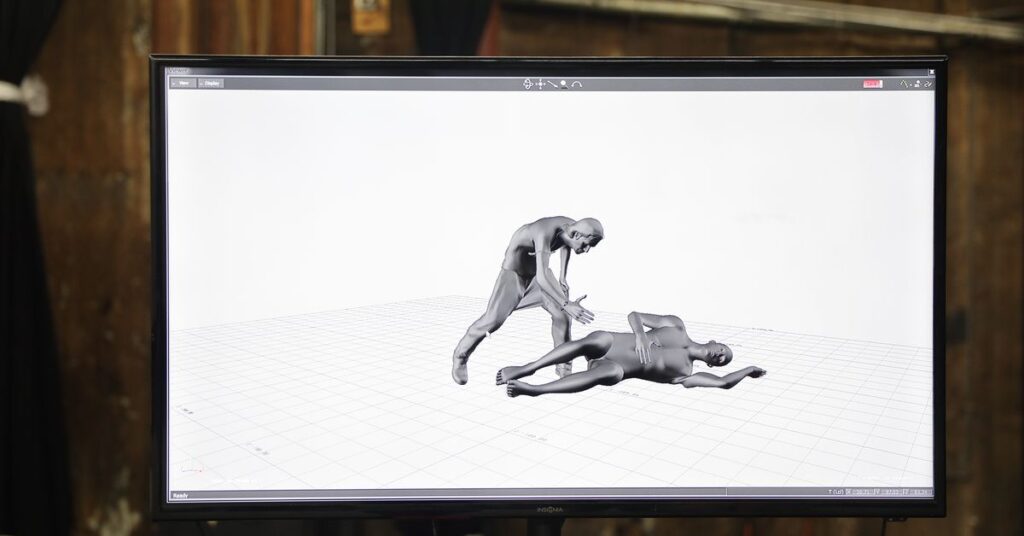
The union’s Interactive Media Agreement covers video game performers who do voice-over, motion capture and stunts, singing, dancing, puppeteering, and background performances. SAG-AFTRA’s union structure is the same as other Hollywood unions — not like unions at video game companies themselves. Video game performers typically do contract work on several different projects across several different studios; for instance, video game voice actor Ashly Burch plays Aloy in Guerrilla Games’ Horizon Zero Dawn and Chloe Price in Don’t Nod’s Life is Strange, but she isn’t an employee of either of those companies. SAG-AFTRA standardizes contract between the different companies that hire voice actors, while a union traditionally represents only one company’s employees.
Who are the companies that SAG-AFTRA is negotiating with?
The SAG-AFTRA website lists 10 “signatory video game companies” that will bargain with the union when negotiations start up again on Tuesday. These companies include:
- Activision Productions Inc.
- Blindlight LLC
- Disney Character Voices Inc.
- Electronic Arts Productions Inc.
- Epic Games, Inc.
- Formosa Interactive LLC
- Insomniac Games Inc.
- Take 2 Productions Inc.
- VoiceWorks Productions Inc.
- WB Games Inc.
Some of these companies, such as Activision Blizzard and Epic Games are also video game publishers or developers. Formosa Interactive, Blindlight and Keywords Studios are companies that offer creative and production support to other studios. They provide resources such as art, audio and other types of help.
Disney Character Voices (a Walt Disney Company subsidiary) and VoiceWorks Productions are both specialized in the casting and production of voice-overs.
What’s a strike authorization vote?
SAG-AFTRA’s leadership requested that its members authorize a strike in advance of the upcoming contract negotiation. SAG-AFTRA eligible members voted in the last few weeks to get ahead of the deadline on Sept. 25, It is intended to determine whether union members will strike if contract negotiations fail.
SAG-AFTRA has been negotiating with video game companies for several years. The negotiations are set to resume from September 26 through 28. When the new negotiations begin, union leaders are hoping to have the strike authorization ready in order to demonstrate that performers want a fair contract.
A successful strike authorization vote doesn’t mean a strike The following is a list of the most popular ways to contact usWhat does it mean to say that something happened? It is a good idea to use.
What are some of the major issues?
SAG-AFTRA members are looking for wage increases that keep up with inflation: “11% retroactive to expiration and 4% increases in the second and third years of the agreement,” according to SAG-AFTRA.
Another big sticking point is the currently unrestricted use of AI — both in regard to voice acting and to performance capture. “The voice and performance capture artists who bring video game characters to life deserve a contract that reflects the value they bring to the multibillion-dollar gaming industry,” SAG-AFTRA executive director Duncan Crabtree-Ireland said. “Voice and performance capture AI are already among the most advanced uses of AI: the threat is here and it is real. Without contractual protections, the employers are asking performers to unknowingly participate in the extinction of their artistry and livelihoods.”
SAG-AFTRA wants to increase safety measures for stunt and on-camera performances, such as a five-minute mandatory rest every hour. The union is also calling for medics to be present on set for stunts or other “hazardous work,” as well as for the contract to include protections against vocal stress, and a removal of any requirement for actors to perform stunts during self-taped auditions.
Audrey Cooling, representing the video game companies, told Polygon that SAG-AFTRA and the companies have reached “tentative agreements” for more than half of the contract proposals.
“We will continue to negotiate in good faith to reach an agreement that reflects the important contributions of SAG-AFTRA-represented performers in video games,” Cooling said. “We have reached tentative agreements on over half of the proposals and are optimistic we can find a resolution at the bargaining table.”
However, SAG-AFTRA said that the companies have “failed to address” several critical terms for the new contract.
When will the strike occur? What is the duration of a strike?
It is possible that a strike will not occur. In the best-case scenario, SAG-AFTRA will reach an agreement with video game companies on a fair deal and a strike won’t be needed. In order for a strike take place, there are several conditions that must be met. The union’s leadership must first initiate a vote on strike authorization. SAG-AFTRA has done this already; the leadership agreed unanimously to invite members to take part in a vote to authorize a strike.
SAG-AFTRA’s leadership sent out voting cards with voting deadlines of September 25 to all eligible members. Members have been voting over this time to declare whether they’d be open to striking should the need arise. A strike is authorized if the majority votes yes. This is not the case still doesn’t mean that there will be a strike. The “yes” votes tell union leadership that members would be willing to strike, and negotiators can then take that to the bargaining table. This week, negotiations will take place. If they go poorly, there’s a chance that SAG-AFTRA will initiate a strike.
Last year’s video game performers strike lasted nearly a full year, as SAGAFTRA and eleven companies tried to reach an agreement on a new contract. It’s a huge deal for workers to withhold labor and to agree, collectively, not to work; a strike would have a major impact on their lives. But that’s also what makes it such a powerful tool — it signals just how serious union members are about securing a fair deal.
What does that mean for videogames?
It’s not much yet. Negotiations are ongoing, and it’s possible that the video game companies will be able to meet SAG-AFTRA’s expectations of a fair contract. But if SAG-AFTRA video game performers do go on strike, the impact will be different than that of the TV and movie actors’ and writers’ strikes. Video game development takes a long, long time — typically much longer than your average TV show or movie takes to produce.
A potential strike would definitely disrupt parts of video game production, but it’s unclear whether that would translate into significant delays on video game production timelines. There’s a lot of development work to be done outside of performance — and plenty to do to even get to that point.
#SAGAFTRA #video #game #performer #strike #vote #explained