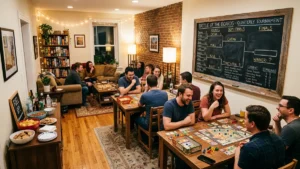
How to Host an Immersive Fantasy Tavern Gaming Night

Fantasy tabletop roleplaying games and thematic board games almost always begin in the same familiar place: a lively tavern. It is the communal hearth where adventurers gather to form alliances, trade rumors of forgotten ruins, and prepare for arduous journeys. Bringing that rustic atmosphere directly into your home transforms a routine gathering into a memorable event that delights your fellow players.
Creating this ambiance does not require theatrical carpentry or an extravagant budget. With a thoughtful approach to warm lighting, natural textures, acoustic music, and wholesome tavern food, you can turn your dining room or living room into a cozy sanctuary. By engaging all the senses, you encourage players to stay in character and connect more deeply with the story unfolding across the table.
Setting the Scene with Warm Lighting and Rustic Decor
Modern electric lighting is one of the quickest ways to break the illusion of an old-world fantasy inn. Bright, cool-toned overhead bulbs feel clinical and pull players out of the fantasy mindset. Instead, turn off the ceiling fixtures and rely on layered, warm-temperature lighting positioned around the room.
Battery-powered flickering candles, lanterns with frosted glass, and amber accent lamps cast gentle shadows that evoke firelight without the fire hazard. You can also drape dark canvas, linen, or coarse burlap across your gaming table. This instantly conceals modern tabletop finishes while providing a textured, tactile surface that feels authentic under dice trays and character sheets.
- Replace bright overhead bulbs with warm, dimmable floor lamps or amber accent lights.
- Cover modern wood or laminate tables with coarse linen, dark cloth, or burlap runners.
- Use ceramic steins, stoneware goblets, or heavy glass mugs instead of disposable cups.
- Distribute character sheets and handouts printed on textured, parchment-style paper.
Small decorative touches round out the presentation. Simple wooden bowls for dice, brass coasters, and subtle background scents like cedarwood, vanilla, or spiced clove help transport everyone away from modern distractions. When the physical space mirrors the tavern described by the game master, players instinctively lean in and embrace the narrative.
Curating Acoustic Soundscapes and Storytelling Music
Sound plays a critical role in establishing atmosphere, but gaming sessions require a delicate balance. While dramatic orchestral music and sweeping choral pieces suit high-stakes boss battles, they are often too intense and distracting for prolonged social scenes. Tavern sequences thrive on organic, human-scale instrumentation like acoustic guitars, mandolins, fiddles, and hand percussion.
Traditional roots music, acoustic storytelling, and vintage folk traditions offer a wonderful template for creating an authentic atmosphere. Exploring music history and acoustic songcraft on platforms like Theleadbelly.com reveals how foundational blues and folk melodies capture the raw spirit of wandering storytellers sharing experiences around a fire. Drawing inspiration from classic acoustic picking and rhythmic folk styles allows you to craft a playlist that feels timeless and grounded without competing with player dialogue.
To enhance the musical background, consider blending gentle instrumental tracks with subtle ambient audio. Low-volume soundscapes featuring crackling fireplaces, gentle rain against windowpanes, or the distant clatter of wooden tankards make the room feel alive. Keep the overall volume low enough that whisper-level roleplay remains effortless for everyone at the table.
Preparing Wholesome Tavern Fare and Natural Sweets
Every good tavern keeper understands that food is the heart of hospitality. In fantasy lore, weary adventurers rely on hearty fare to restore their strength after traversing damp dungeons. Serving typical modern snacks like powdered cheese crisps or sticky candy often leads to stained rulebooks and greasy gaming components. Wholesome, rustic food provides a far cleaner and more thematic solution.
Consider offering platters of crusty artisan bread, sharp hard cheeses, smoked meats, and crisp sliced apples that guests can enjoy between turns. For desserts, simple baked goods sweetened with natural pantry staples provide rich flavor and clean energy. Exploring traditional baking ideas and pure ingredients from Meadow View Sugar House demonstrates how maple-infused recipes and natural sweeteners create comforting, homemade treats that fit an old-world aesthetic. Small maple scones, oat cakes, or spiced nuts provide sustained sustenance without leaving messy residue on player character sheets.
Drinks also present an opportunity to reinforce your tavern theme. Warm spiced apple cider, loose-leaf herbal teas, and botanical sodas served in heavy stoneware tankards elevate the experience. Having hot kettles or insulated carafes nearby lets players refresh their own drinks quietly without disrupting an intense roleplaying moment.
Balancing Table Space and Session Energy
A common hurdle when hosting a themed game night is table clutter. Tabletop roleplaying games require significant surface area for maps, miniatures, dice towers, and rulebooks. Adding food platters and drink tankards can leave players feeling cramped and anxious about spills.
Designate dedicated side tables or nearby kitchen counters for the main food spread rather than crowding the game grid. Keeping only drinks and small individual snack dishes within arm’s reach protects valuable board components while maintaining easy access to refreshments. For a broader look at pacing your nutrition throughout long campaigns, take time to read smart food strategies for long gaming sessions. Mindful hydration and balanced snack timing help prevent mid-game fatigue during lengthy tactical encounters.
Build brief intermissions into your session schedule to allow players to stretch, visit the refreshment station, and discuss recent plot developments. Announcing an in-game tavern rest provides a natural stopping point where everyone can recharge their mental energy before diving into the next chapter of the story.
Structuring the Campaign Around Tavern Encounters
Once the physical environment and refreshments are in place, carry the tavern theme directly into the adventure itself. Rather than treating the inn merely as a brief stopover between dungeons, make it a dynamic hub filled with memorable personalities and organic roleplaying opportunities.
Introduce an expressive tavern keeper who shares local gossip, or have mysterious patrons offer competing quest rumors. You can also print customized parchment menus that double as adventure job boards, listing bounties alongside food specials. These tactile props bridge the gap between the real world and your game’s fictional setting, encouraging deeper engagement from every participant.
Mini-games inside the tavern provide a welcome change of pace from traditional combat. Simple dice-wagering games, friendly athletic contests, or musical performances give characters a platform to express their personalities without life-or-death consequences. These lighthearted diversions strengthen party camaraderie and give quiet players an easy entry point into roleplay.
Transforming your home into a fantasy tavern turns an ordinary tabletop session into an extraordinary social event. By combining soft ambient lighting, soulful acoustic music, nourishing rustic food, and engaging in-game encounters, you create a space where friends can unwind, collaborate, and craft unforgettable stories together.