A TikTok ban won’t protect teenage girls
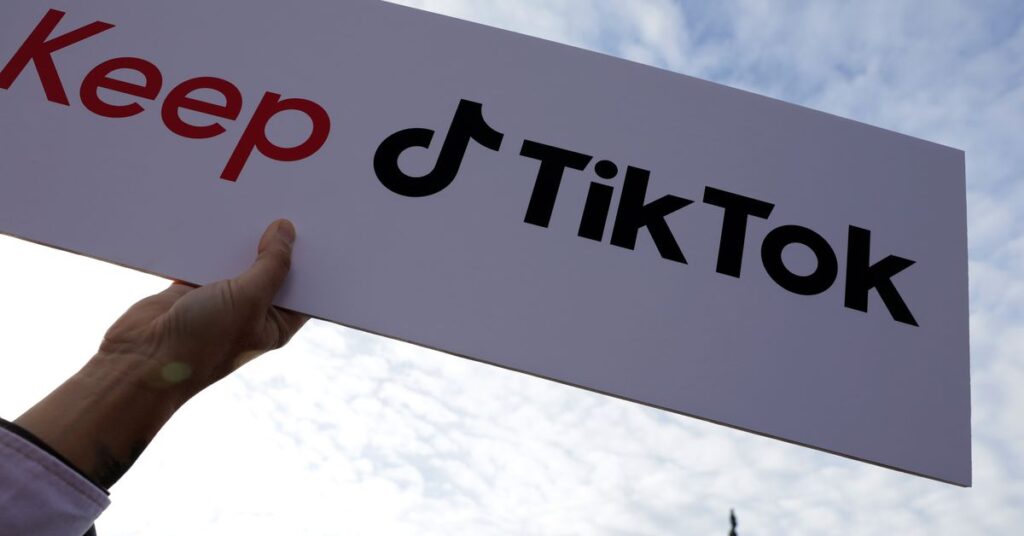
On Thursday, TikTok CEO Shou Zi Chew testified on behalf of the app to a united — and ornery — U.S. Congress. He was called in to address growing concerns from U.S. lawmakers that his platform, TikTok, threatened national security because of its parent company’s ties to the Chinese government. While discussions of national security played a large role in the often one-sided discussions — many representatives did not even give Chew the opportunity to respond to questions — another, perhaps equally large, strain of thought animated the hearing: a growing panic that American children, in particular young girls, would be influenced by the evils of the clock app.
“TikTok also targets our children. TikTok uses the For You algorithm to grab their attention and exploit their innocence. Your algorithm could promote suicide and self-harm to children as soon as you create an account. It encourages challenges to put their lives in danger, and allows adults to prey on our beautiful, beloved daughters,” said the chair of the committee, Republican Rep. Cathy McMorris Rodgers of Washington, in her introductory speech.
When it comes to how internet platforms are regulated, paternalistic views, especially those that target young girls and women, dominate most of the current political thinking. It often comes with a research-based impetus — the usage of social media apps like Instagram has been linked with eating disorders — and sends a strong moral imperative to older constituents: Your daughter is in danger, and we need to protect her. This week’s TikTok hearing was a reminder of it. It also happened two years ago in the face-to-face encounter between lawmakers and executives at Instagram and Facebook. Both companies are part of Meta.
This view reflects patriarchal old-school narratives that young girls are in danger and need protection. But there’s another issue with it entirely: It’s completely ignorant of the history of the internet. Teenage girls don’t need to be protected from the internet, because they’ve built the internet we know today.
Both the history and present-day teenage girls are deeply connected. A 2022 survey from Pew indicated that 67% of teenage Americans use TikTok, with 16% of those surveyed saying they use it “almost constantly.” Whereas other social media platforms, like Twitch, tend to be dominated by boys, Pew reported that girls were more likely to use TikTok. Young, female teenagers and girls have been the biggest pioneers of this space. The rise of the platform itself went hand in hand with the growth of stars like the dancer Charli D’Amelio, who was the most-followed creator for over two years. The app’s breakout moment was also created by a teen girl: Jalaiah Harmon invented the Renegade dance at age 14. (Although it’s best known as a TikTok dance, Harmon first posted her Renegade video on Funimate and Instagram.)
Fan communities — which dominate the app — are also often driven by young women. The K-pop fandom’s average age is 23, meaning it still includes a significant number of teens, and it’s also majority female. Breakout hits, like the already unfathomably popular all-girls K-pop group NewJeans’ debut, have been fueled by a dedicated and organized group of fans who make edits and teach choreography. American pop artists also reap the benefits of fangirl influence. If you’ve seen anything about the Taylor Swift tour this week, it’s probably thanks to a fangirl who recorded and published it.
TikTok’s dominance is thanks to the young women and girls who make content on the app, and now the platform has over 150 million American users.
TikTok’s power extends beyond cultural sway. TikTok platforms have enabled young women to voice their opinions at the local level through political platforms. Claudia Conway, a young lady, spoke out against Kellyanne Conway’s story and that of Trump’s entire administration, at a time in which many Republicans refused to admit the result of the 2020 elections. She did this on her TikTok.
TikTok does not have to be the only way for teenage girls to become empowered. TikTok’s platform has many advantages. It allows young girls and women to make a profit even at an early age. It is a frequent problem with misinformation. There’s also the effect that seeing edited images and bodies can have on young adults, which has been a researched and documented problem on platforms like Instagram. TikTok allows users to view videos using an algorithm. This algorithm mirrors — and potentially amplifies — various preexisting biases and beauty standards by prioritizing videos of people who embody certain characteristics, like being young, thin, pale, and so on.
Politicians aren’t protecting teenage girls by proposing a ban on TikTok. They would actually be worse off if they took a sudden step, since we’d see huge, influencer-driven industries close down in an instant. It’s important now, more than ever, to support the savviness of teenage girls on platforms like TikTok. Besides, if there’s a ban and users move to platforms like Instagram, young women and girls would face the same types of issues that lawmakers voiced concerns about at the hearing.
Education that encourages young people to think critically about information is a good investment. TikTok must be pushed to improve compensation for creators and Black creators. Give young women digital as well as physical space to discuss the difficulties that can come from unrealistic body standards and ideals.
A world in which women are historically exclusionary of powerful institutions makes me very cautious about taking any kind of drastic action to remove TikTok.
#TikTok #ban #wont #protect #teenage #girls