How A Reboot Saved The Mortal Kombat Franchise

Introduction
Mortal Kombat wasn’t supposed to die.
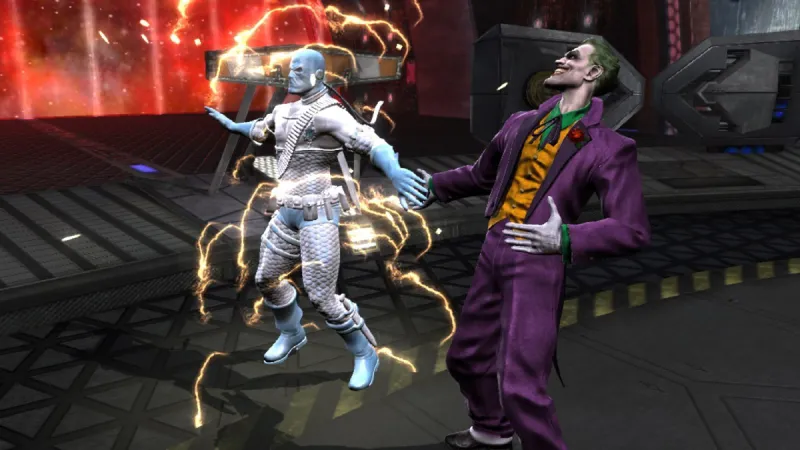
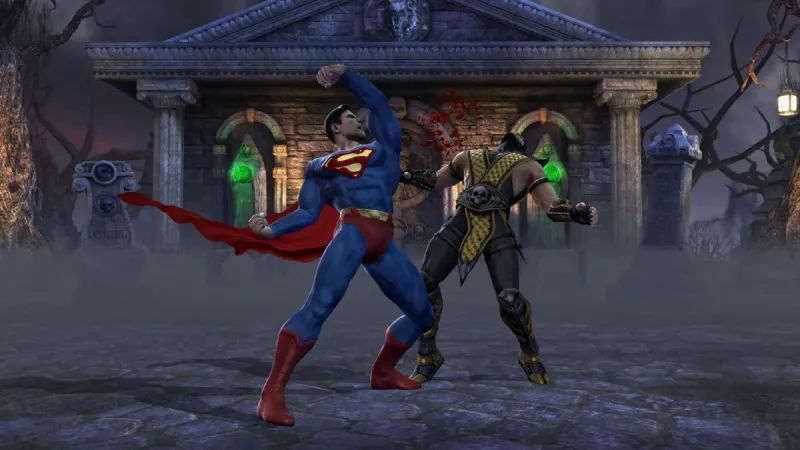
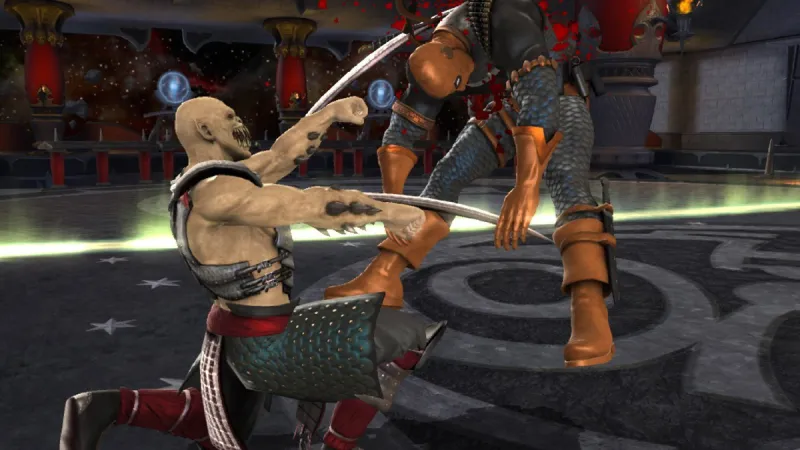
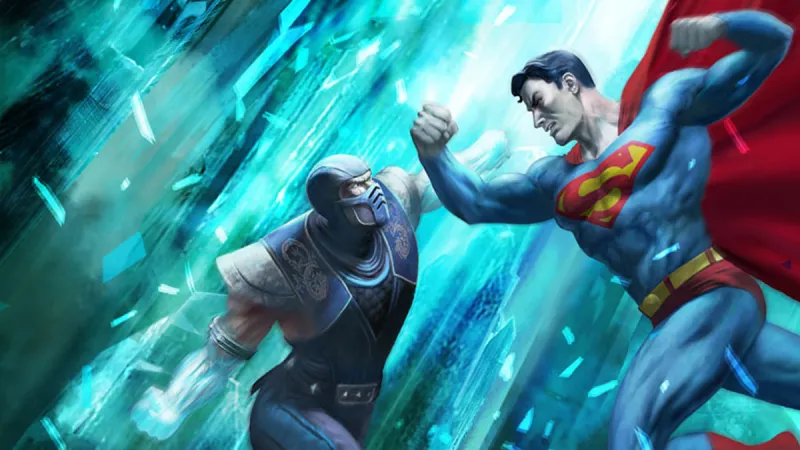
Many regard Mortal Kombat vs. DC Universe as one of the lowest points in the series. Its minigame-centric fights and awkward movements were damning, but it also lacked the silly, over-the-top violence Mortal Kombat is known for – a sad reality for appeasing license holder Warner Bros. Batman can cripple impoverished criminals, but he can’t be cut in half by Tarkatan blades.
It would have been disappointing to end on an ill-fated crossover, but Midway’s untimely demise could have made that so. Layoffs, uncertainty, and publisher implosion aren’t how franchises live; that’s how they die. The franchise was revived by NetherRealm Studios after its darkest days with the return of Mortal Kombat 9 (the 2011 remake).
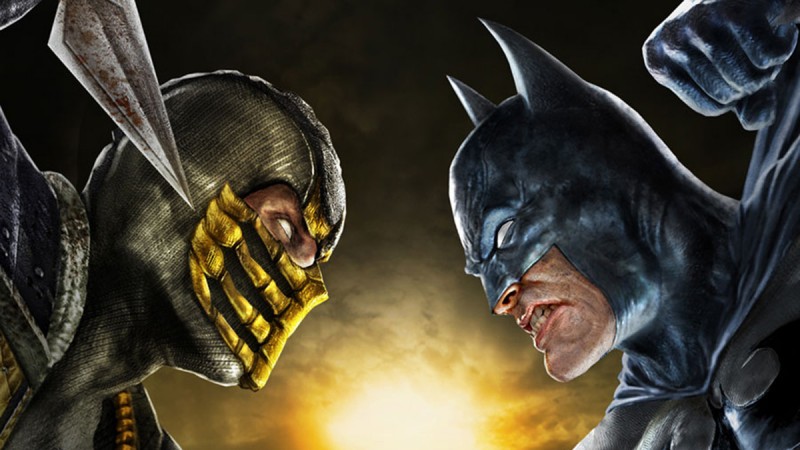
MKvDC rebooted the series in its own way but holding back the gore meant another entry could benefit from all the pent-up aggression. The natural progression was not lost on the people behind it, as series co-creator Ed Boon says going for a T-rating meant the next game could fully push the series’ signature violence.
“The biggest lesson we learned with MKvDC was that there was an opportunity for two separate games that each could embrace their roots without compromising the other,” Boon tells Game Informer. “This resulted in us deciding that the next Mortal Kombat game would be a full reboot and aggressively embrace everything signature about Mortal Kombat. The plan included returning to 2D combat planes and retelling all of the events. [story of the]”The original trilogy is back, with our classic Fatalities, without any restrictions.”
Other team members echo the sentiment, as it seemed abundantly clear that the series shouldn’t be divorced from its violent roots.
How to Avoid an inevitable death
How to Avoid an inevitable death
Reverting to basics seemed like a sensible plan. But it got complicated when Midway filed for Chapter 11 bankruptcy three months after MKvDC’s release. Chapter 11 allows a company to continue operating, but it’s not a good situation.
Shawn Kawa (senior FX artist) was part of the Mortal Kombat crew during these turbulent times. He arrived at Midway one year ago and was shocked to find large sections of his team had been laid off.
“I came into work, and everyone was packing up their stuff, and they said everyone was laid off,” Kawa says. “And I thought, ‘Well, I didn’t last long.’ But it’s pretty normal in games. I took my belongings with me and headed home. Later I got a call from my lead like, ‘Oh shoot, we forgot to call you. We were going to tell you to stay home because everyone was laid off, and you’re not.’”
Senior animator Richard O’Meara was in a similar boat as Kawa but got his ominous call just before the weekend. That was only the first wave of confusion rushing over Midway’s employees.
“One of the leads at Midway Chicago called me on Friday and said, ‘Don’t come in to work on Monday,’” says O’Meara. “I was like, ‘You’re not making me feel good right now.’ And he told me, ‘Be happy I’m telling you to come to work on Tuesday.’ Monday came, and I started getting calls from all my friends like, ‘Hey, did you get laid off?’ So he was telling me to stay away because they were going to have a mass layoff to compensate for the bankruptcy.”
Alan Villani, director of engineering admits that there were fears about the bankruptcy and the possibility of splitting the Mortal Kombat team.
“If your company is in bankruptcy, that’s a serious thing,” Villani says. “They were still paying our salaries, so there was no immediate threat that was going to stop suddenly, but there was a real threat that everything would go sideways if WB or whoever was looking at us didn’t buy us. There was a possibility that the IP would leave the team. It was extremely difficult for the series to reach that point. I can’t even imagine if somebody just buys it and throws whatever team on it and says, ‘Let’s just make some Mortal Kombat games because we own the IP.’ It could’ve been a disaster.”
Villani stated that he felt confident Midway Chicago would find its home, despite all his worries. It was the studio that created one of most loved fighting game series in history.
“Each person will have a different level of fear of what was going on,” Villani says. “But I just knew that the team was so talented that there was no chance that somehow we wouldn’t land somewhere. If it was Bungie, people wouldn’t be like, ‘What are you going to do? You don’t have funding? Will you be on the street?’”
Warner Bros. acquired Midway, July 2009 to prove his intuitions. Publisher wanted both the Mortal Kombat IP as well as the team. Villani says that not all acquisitions are as smooth, but WB was able to see the big picture and make it happen.
“And we were at a bargain-basement price,” he adds.
NetherRealm
NetherRealm
WB Games Chicago was established in Midway Chicago to provide stability and funding. While the extra support took many forms, the move to a new building was the most evident, given the old office’s dire state.
Daanish, an associate cinematic 2D cinematic artist on MK9 remembers this old, leaky building from when he first interviewed at the company back in 2010. The interior was decorated lovingly with Mortal Kombat memorabilia. Others looked as if they had been sucked out of the Netherrealm.
“They called me in for an in-person interview, and I was so excited,” Syed says. “I went to their old studio location, and it was this weird, industrial, nondescript building. It was horrible inside when I entered. It was really old. It was terrible. I was shown around and, despite it being an old building, it felt fresh and alive. But I just remember being taken aback, like, ‘Wow, what is this place? It is so s—-y looking!’”
O’Meara was much less kind.
“Midway’s building was a total, total dump,” he says bluntly. “I remember my first day there, I was like, ‘They make Mortal Kombat here?’ It was just this run-down, hacked-together garbage office. I was seated in the cafeteria. [Midway animator Jim Gentile], and I’m looking at this really gnarly kitchen, and I’m like, ‘This is terrible.’ It looked like a mechanic’s cafeteria. The place was very beat-up and in disarray.
“The foam tiles had watermarks and mildew marks. If you looked high enough, you can still see the hardware that they used to make the pinball cabinet. They painted the entire thing black. It was the worst.”
Midway Chicago was rebranded as WB Games Chicago. It was now time for Midway Chicago to embrace the new identity and create something unique. Thus, NetherRealm Studios began to take shape in April 2010.
“The name was more because we wanted an identity, and we figured the MK stuff was buried inside of Midway,” says Villani. “Midway Chicago was a sports venue and did a lot of other things. My belief was that we should all have an identity. [have our own]To let the world know this product is from this company, there are brand and promotional tchotchkes. So when you’re doing Injustice or whatever, you’re like, ‘That’s the MK team.’ It was more of, “What do we name ourselves?” than “We have to shed this other stuff.’”
There are fewer problems with more money
There are fewer problems with more money
Warner Bros. provided financial support to the Chicago team and also offered time. Midway saw the studio producing Mortal Kombat titles on an almost annual basis. It would have been impossible to keep this pace up during HD. However, WB needed a good product and Chicago had suggested that they spend more time working on it.
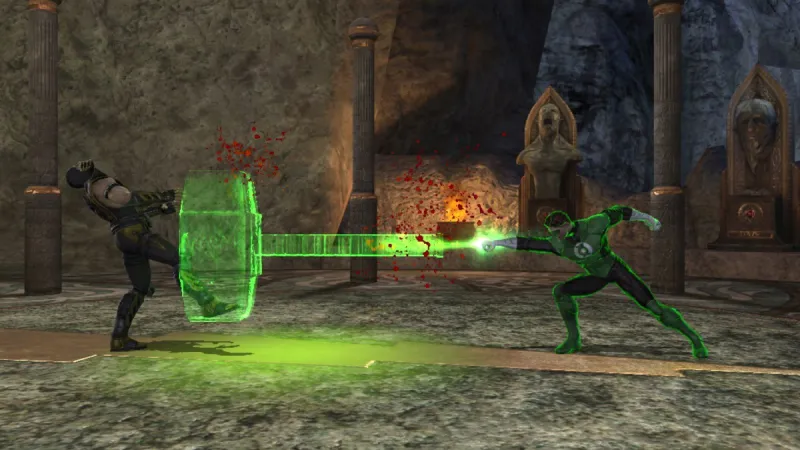
“The reality wasn’t an extra year because [MKvDC released at the] end of 2008, and this game was the first few months of 2011,” Villani says. “It’s not really three years. It’s important from the standpoint of the percentage difference of development time because [the difference doesn’t seem]That was great. However, it allowed us to do so much more. Those extra months in game development are huge.”
The additional time gave Villani’s team more room to push Unreal Engine 3. Although it was a ubiquitous engine then, UE3 wasn’t typically used for games running at 60 frames-per-second. As Villani puts it, “Unreal Engine 3 barely ran at 30 [frames-per-second] with nothing on the screen,” an indictment showing how hard the engineers worked to fit it over the genre. MKvDC set a goal of 60 frames for Unreal 3. However, that was just a testing run to make it work.
Mortal Kombat 9 was not about just making it work. It was also more about pushing the tech. Villani says that the team was focused on expanding on its strengths in order to make it better for the future. Essentially, MKvDC was the “springboard” that allowed it to push forward and make Mortal Kombat 9 look as good as it did.
“If you look at what we did in MKvDC, and then you look at what we did in MK9 and then Injustice, you can see the tooling and support for the artists just kept improving and performance kept getting better,” Villani says. “So that’s why you could see more stuff getting shoved on screen, like more details and liveliness to the scene by each generation. MKvDC is a prime example of this. We simply didn’t get the time. We just did not have the time with a brand-new engine to make it look in two years like we could after that.”
Villani says that players don’t care about technical limitations; they just want a good-looking game. Mortal Kombat 9’s lively backgrounds full of buildings exploding, soul wells flaring up into the heavens, and dragons flying around were all the little touches the studio added to give it life and the detail seen in a game running at 30 frames-per-second while maintaining a silky 60.
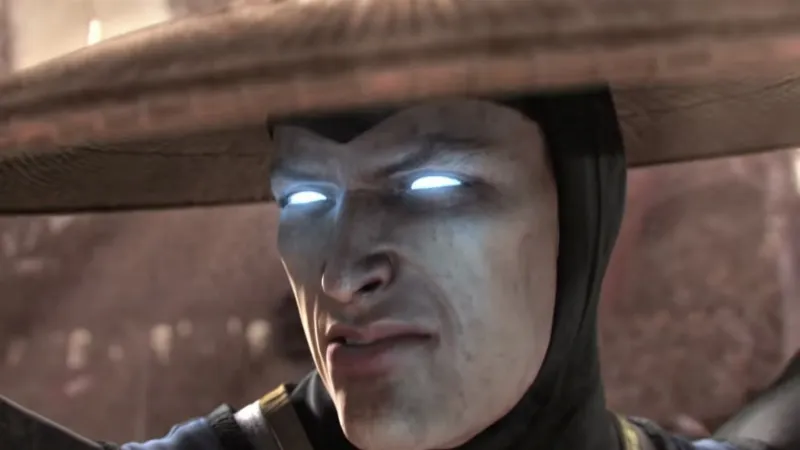
Syed recalled the striking visuals during an interview. It was almost a full year since the release of the game. However, the glitch caused it to freeze in place. This technical error allowed Syed time to absorb everything.
“The game had crashed during a match [with] Kung Lao versus maybe Raiden on the daytime Pit stage,” recalls Syed. “It was frozen, and all I saw was Kung Lao in the middle of a jump kick or something. And even just that, I thought it looked amazing.”
Another area in which Mortal Kombat 9 was able to thrive was the campaign. The campaign featured detailed cutscenes and smooth transitions between fights. It also had fast pace, pacing, and casts that could satisfy even the most ardent Mortal Kombat fans. The fighting game story modes in Fighting Game were, at most, no more than arcade ladders. This made it a significant improvement to the rest of the genre. Boon acknowledges MKvDC’s valiant efforts in laying the groundwork while also detailing how Mortal Kombat 9 was able to fully land the crushing blow.
“One thing that has always set Mortal Kombat apart from other fighting games is its deep story and lore,” says Boon. “With each game, we leaned harder into that. It was appreciated by the players, and we were aware that it was important for them. Again, Mortal Kombat vs. DC Universe really validated our cinematic story presentation, being our very first game to do it.”
MK9’s presentation was only part of its appeal. Fighting games love to indulge in nostalgia, and MK9’s story provided that in spades with its all-star roster and iconic arenas from the first three games. The modern technological leap and the desire to return to basics made it easy to revive the original trilogy in modern paint.
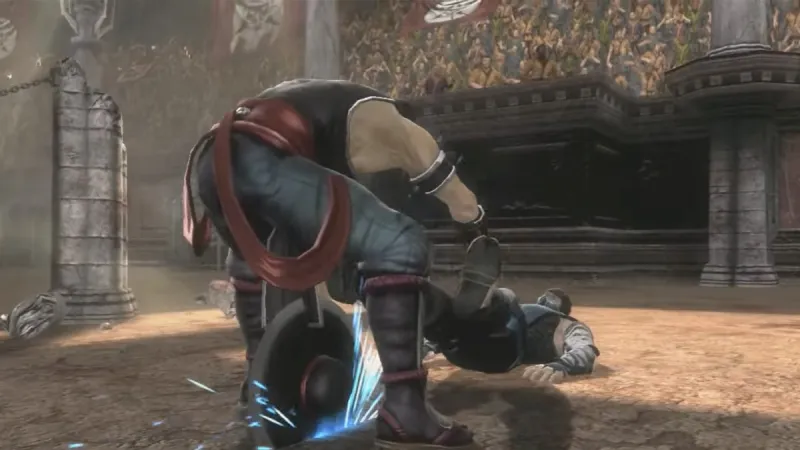
“We knew it was a perfect opportunity to present a true telling of the Mortal Kombat storyline in its full cinematic glory, better than we ever could before,” Boon says. “That was one of the reasons why we decided to tell the [first three]Stories over and again. One reason why it worked so well was because it was presented like a ‘real movie’ but with the player participating in all of the fights. It felt like a perfect marriage.”
Villani states that Mortal Kombat’s focus has been on the narrative. As a stepping stone to advancing Mortal Kombat in a traditional campaign area, the RPG-like Konquest Modes as well as minigames such Motor Kombat or Puzzle Kombat are similar. Villani said that building upon these modes and emphasizing the narrative made perfect sense, although it did cost a lot of money.
“The one thing you could say about Warner Bros. is that they paid those bills,” Villani says. “That was a lot of money. I don’t even remember the exact amount of money we spent on that mode, but it was like a whole other game’s worth. It was not another MK-game, but a smaller version could have been produced for this amount of money. You want people to be excited about the new fighting game. Give them a compelling story that involves fighting and tells the story. Simple pitch, but somebody has to pay for it.”
A Bloody Good Reveal
A Bloody Good Reveal
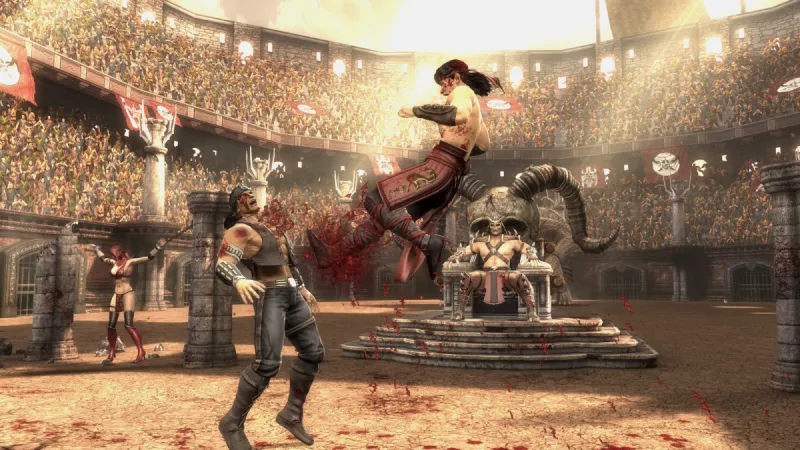
Mortal Kombat 9’s high cost extended to its extravagant E3 2010 reveal. NetherRealm draped The Los Angeles Convention Center in banners with tasteful silhouettes of Sub-Zero’s famous spine-rip Fatality. The booth had an imposing dungeon covered in skulls and spikes, all with the series’ logo hanging overhead. This added attraction only reinforced what the demos showed: Mortal Kombat is back. Critics and fans alike praised the revival of Mortal Kombat, while also observing the brutal X-Ray attack and the bloody players waiting for their turn on the televisions.
Syed’s first E3 was a success. He spent most of his youth downloading trailers in low resolution at home. It was an incredible event, he says. The developers were able to unveil the game at their own pace. After initially waiting in line to see his game like a fan, he rode on the crowd’s energy.
“It was an absolute thrill to finally show it and the fan reaction was incredible,” Syed says. “The Fatality we showed off at the theater presentation was one of the goriest: Kung Lao throws his hat on the ground like a spinning buzzsaw and then pulls the victim into it. This was a very uproarious reaction. The ‘oohs’ and ‘aahs’ reacting to bloody violence, it was so awesome.”
Boon said that he was excited like Syed but was also nervous because so much was at stake. WB’s money and years of fan demand are sure ways to amp up the pressure.
“I remember E3 as being a combination of feeling very excited and equally nervous,” Boon says. “There was a lot of anticipation for this game, and WB was really backing it with a strong PR and marketing campaign. The hype was really building, and we felt the pressure for the game to live up to it.”
People began to get more involved and the nerves started to fade. The secret location of Mortal Kombat 9 kept the TVs from being visible on the floor. This added to its mystery. Boon said that he was disappointed people had to wait so much to view it. But once they got in, the fans went crazy.
“Inside the theater was crazy,” Boon recalls. “People were freaking out when they saw the new features and the crazy X-Ray moves on the gigantic screen.”
A Impressive Xray Exam
A Impressive Xray Exam
E3 2010 validated what the new team worked on secretly for years, with 10 more months remaining. Many games show great potential, but then stumble to their end. However, Mortal Kombat’s development differed partially because of its genre and how NetherRealm builds characters and stages in waves.
This modular approach, where lessons learned from one batch are applied to the next, meant there wasn’t a singular moment where it all clicked into place. It was difficult for the team not to see this as a huge success due to the increased emphasis on quality, and the additional time given.
“I don’t think there was an ‘Aha!’ moment with it like, ‘Oh, this is gonna be a great thing,’” Villani admits. “It was like, ‘How could this not succeed?’ We’re improving every dimension of this we possibly can. And it just got better over time.”
Even though there was a lot of content, the X-Ray moves stood out. Like Street Fighter IV’s Ultra Combos, a full meter would let players unleash a cinematic attack. But unlike Capcom’s fighter, Mortal Kombat’s super moves gave players a detailed look at the internal damage.
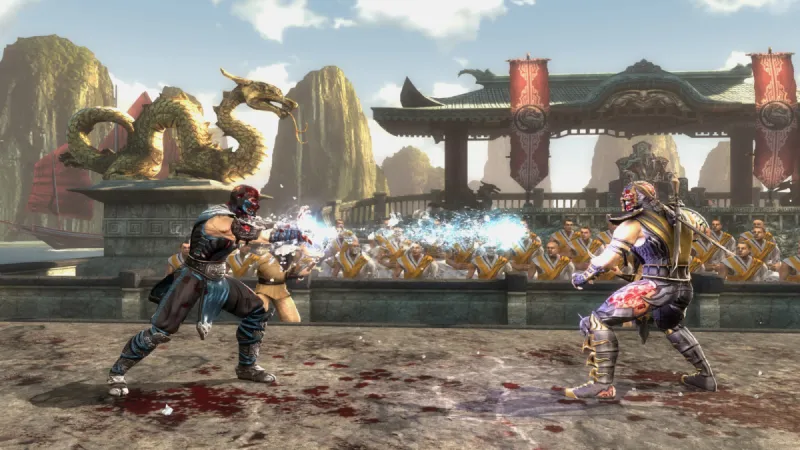
Mortal Kombat added yet another dimension to its already impressive game by crushing frozen livers and pulverizing their groins. Boon says how he was satisfied with its execution yet didn’t downplay how hard it was to implement.
“I can’t tell you how many times we iterated on the presentation and timing of those moves,” Boon says. “There was a lot of trial and error.”
Boon also notes that the many involved departments had to iterate many times so that X-Rays could “feel so outrageous and satisfying.” Kawa was one of those who touched the new system, citing it as the most challenging thing he worked on.
“We couldn’t always have [the guts]We came up with the following: [process where] when the camera switches in, the models have their full models inside,” he says. “We don’t have to worry about the gameplay then, so it’s not like the characters themselves have all their guts in them [at all times]. It’s only when we went to the X-Ray camera that they have all that stuff in them because otherwise the game would never run.”
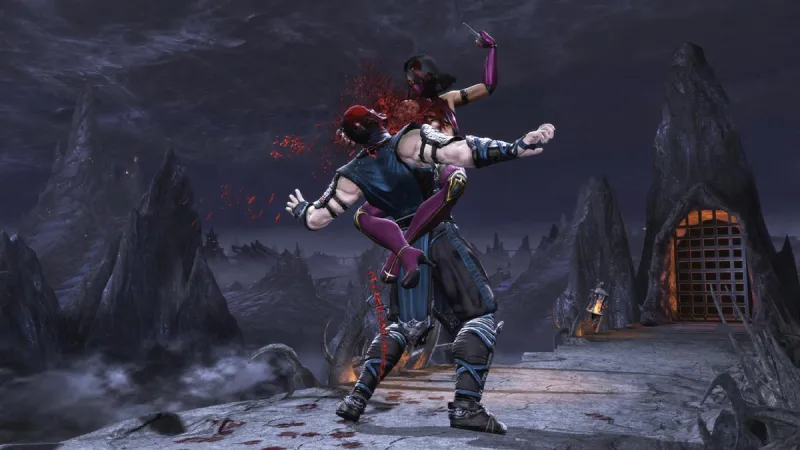
Xrays are a popular feature that is universally cited by everyone. Syed recalled spending the first day tormenting through the X-Ray animations raw. O’Meara says it always felt good to see fan reactions. According to O’Meara, the frame was crucial in maximizing the impact. While older entries had gory moments, MK9’s camera framed them more appropriately to highlight “cinematic art.”
“I think the cinematics department really did a great job of respecting the fact that it’s a 2D fighter, so you really couldn’t get as many angles as I’m sure they would want to get,” says O’Meara. It’s not designed to be shot from every angle. They had to be creative and work with that limitation in order for the Fatalities or the X-Rays to feel cinematic and powerful. It really elevated it. I feel like that helped push other games to be even more cinematic.”
Legacy: The Mortal Kombat Legacy
Legacy: The Mortal Kombat Legacy
The X-Ray system found its way into MK9’s two sequels and was just one carryover that sat alongside its super meter and 2D plane. But the game’s legacy goes far past its mechanics and was widespread enough to mean different things to different people. O’Meara, a huge fan of the series, admires MK9 for what it means to the players.
“As a fan, it’s like, ‘This feels like I got to be in MKII again, but it’s uprezzed, and everything’s more graphic,’” O’Meara says. “Like, ‘We’re back to the foundation that made MK so exciting, but better.’”
Syed says that it showed how a 2D fighting game with a heavy emphasis on single-player content was a “formula that really works.” Boon goes a step further, saying that single-player focus was a driving force for the team’s following games.
“Mortal Kombat validated our theory that there was a strong demand for single-player content in fighting games,” Boon says. “In many ways, it set the foundation for the NetherRealm Studios games that followed. MKvDC wasn’t the first MKvDC game to feature a story mode. Mortal Kombat was. It also introduced the Challenge Tower and King of the Hill. I think it’s pretty safe to say that Mortal Kombat set the stage for all NetherRealm games that followed.”
It was a huge success thanks to the positive response of players, and it is still one of the most popular Mortal Kombat games. Fans still love it despite the large power gap among fighters and widely criticised online netcode. Player 1 has a slight edge and cannot trade hits as most fighting games.
MK9 may have left the greatest impression on NetherRealm. MK9 was able to give the team an excellent foundation and show it has survived, despite a difficult crossover and some turbulent times. This was an affirmative statement made by the franchise and for the entire team. Villani details how that success led to NetherRealm’s validation as a big “new” developer worthy of the money WB paid.
“From the studio perspective, it’s definitely the thing that catapulted them into such a solid place in terms of being able to be as big as they are with their quality bars that they’re expecting,” Villani says. “And with the full support and funding of Warner Bros., it literally confirmed everything that they bought the team for. MK9’s quality and success in critical reviews influenced every game that came out of that studio. That’s where that team coalesced and where everything happened to literally confirm that everything from that point on would be good.”
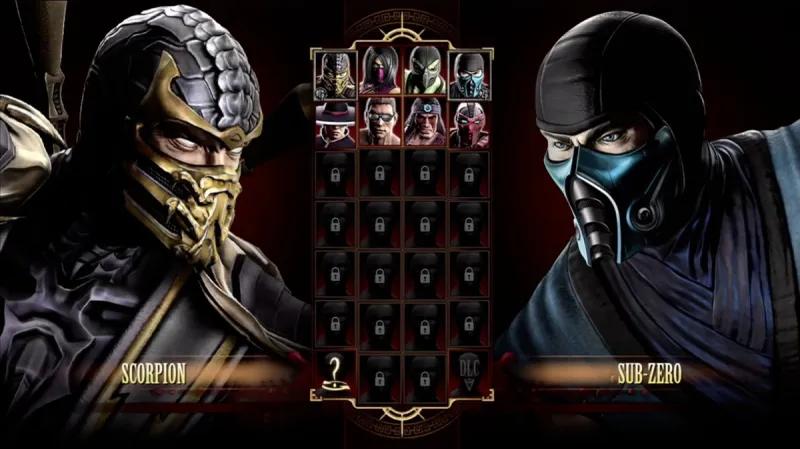
Villani also touches on what this game meant historically, looking back at MKvDC’s shaky steps and forward to what would become Injustice: Gods Among Us, released in 2013. Mortal Kombat’s campaign, extensive single-player modes, competitive scene, and DLC model were all iterated upon in NetherRealm’s future games, showing how pivotal that game truly was.
“All those games can trace back to that release, in terms of like a new era type thing,” Villani says. “Obviously, there’s the preamble, which is MKvDC. The confidence in what the studio was capable of and the IP’s strength was just confirmed in every way you could possibly imagine. That’s really the legacy. The series was definitely launched from that product, as well as Injustice’s predecessor. It was a great product that led to many other products. That’s where it really should be remembered, even if it’s not people’s favorite.”
MK9 is many people’s favorite, though, even after two prettier and bloodier sequels. This mix of old and new mechanics appealed both to casual gamers and those who had played since its inception. Given the circumstances NetherRealm was facing at that time, a reboot is rarely able to reach those extremes. However, it can completely revive a series. MK9, despite almost being fatal, gave an old team a new start. It also provided sufficient momentum to allow the series to achieve its 30th Anniversary without any signs of slowing.
Original publication of this article was Issue 352 Game Informer.
#Reboot #Saved #Mortal #Kombat #Franchise